Residential Roofing

Comprehensive Residential Roofing Solutions for Southern Oregon Homes
Your roof is your home's primary defense against the diverse Southern Oregon climate, from heavy valley rains to occasional snow loads in higher elevations. Whether you are facing sudden storm damage, aging shingles in Medford, or persistent moisture issues in Ashland, waiting often leads to costlier repairs down the road. Contact us today to schedule a comprehensive roof assessment or to discuss flexible financing options.
Pressure Point Roofing understands that a compromised roof threatens the structural integrity of your entire home. We provide a streamlined path to restoration that handles everything from minor repairs to complete replacements, ensuring your home remains dry, energy-efficient, and secure season after season.
- Climate-specific roofing systems engineered for hot, dry summers and wet, snowy winters.
- Expert installations using durable materials suited to local wind, fire, and moisture demands.
- Comprehensive manufacturer warranties on all full roof installations.
Fully licensed, bonded, and insured, we offer comprehensive warranties that provide genuine peace of mind long after the crew has left your driveway.
Comprehensive Protection for Your Home's Structure
A residential roof is more than just the visible shingles; it is a complex, integrated system designed to breathe, shed water, and insulate your living space. When you invest in professional roofing service, you are purchasing a complete moisture management system that must withstand the specific weather patterns found across Southern Oregon, from the heavy rains in Cave Junction to the snow loads occasionally seen in Butte Falls and Klamath Falls. Failing to address any single layer can result in premature failure, so we ensure every installation addresses the following elements; join our maintenance program today.
- Roof Decking: The wooden foundation of your roof. We inspect the sheathing for rot, warping, or delamination caused by previous leaks. A solid deck is non-negotiable for holding nails and supporting the weight of new materials.
- Waterproof Barriers: We install high-grade ice and water shields in vulnerable areas such as valleys, eaves, and around penetrations. This self-sealing membrane prevents water migration even if wind drives rain under the shingles.
- Synthetic Underlayment: Unlike old-fashioned felt paper, modern synthetic underlayment provides a tear-resistant, moisture-repelling layer that sits between the deck and the shingles, offering breathable secondary protection.
- Flashing Systems: The most common point of failure is where the roof meets a wall, chimney, or vent. We use corrosion-resistant metal flashing, custom-bent to fit your home's architecture, ensuring a watertight seal at every transition point. We rely on step flashing and counter-flashing rather than caulk alone, which degrades over time.
- Ventilation: Proper intake and exhaust ventilation regulate attic temperatures and prevent moisture buildup. We calculate the precise net free area required for your attic and install ridge vents, soffit vents, or power fans to balance the system, extending shingle life and preventing ice dams in areas like Shady Cove.
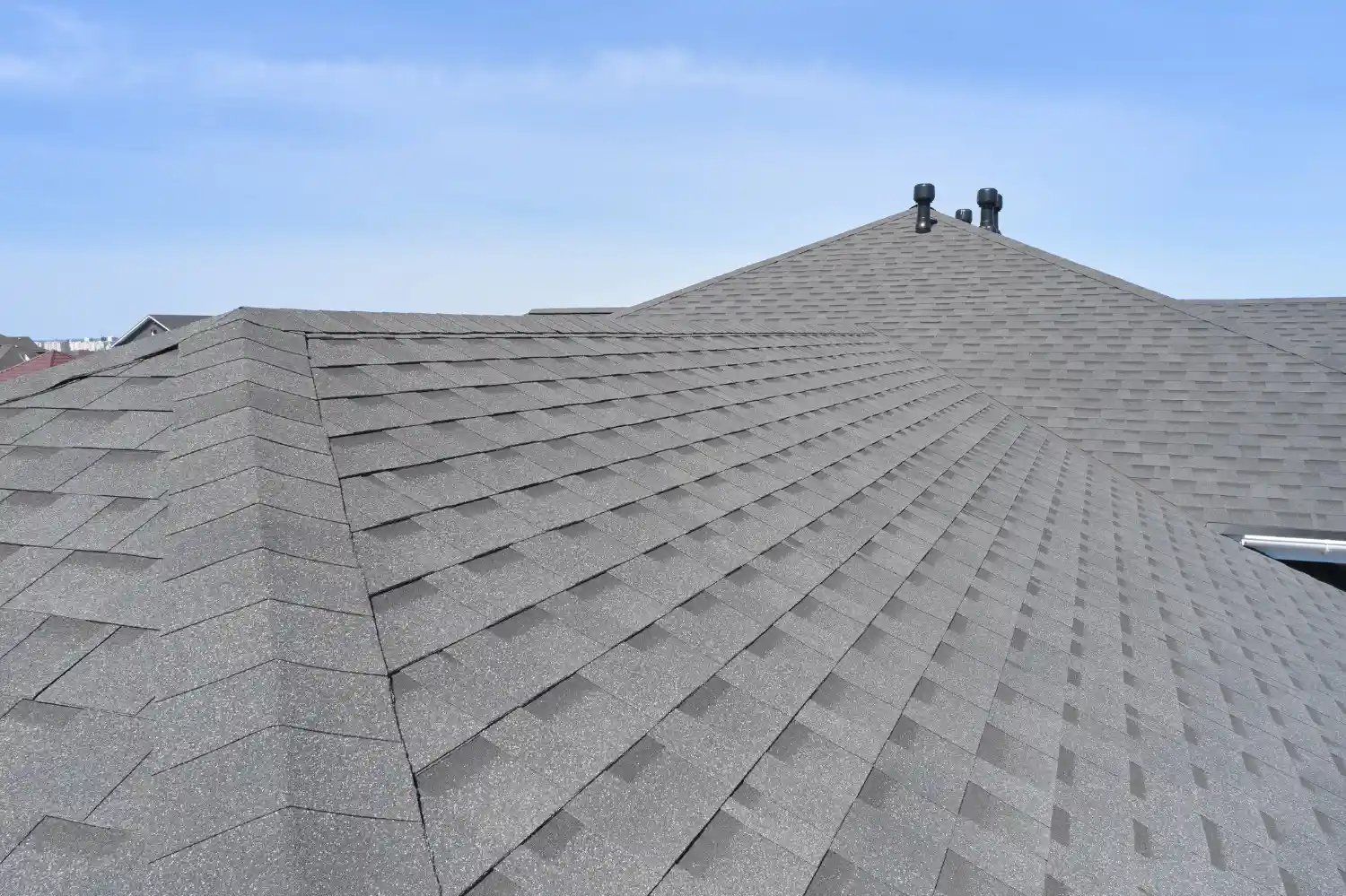
The Residential Roofing Installation Workflow
Understanding the installation process helps eliminate the anxiety associated with major home construction projects. A systematic approach ensures efficiency and safety while minimizing disruption to your daily life. Professional crews operate with a distinct workflow that prioritizes property protection and adherence to safety standards.
- Site Preparation: The crew arrives and immediately sets up protection for your landscaping, siding, and driveway. Tarps and plywood catch debris, and safety zones comply with OSHA fall-protection standards to keep residents safe.
- Tear-Off and Inspection: The old roofing material is removed completely down to the deck. This step is vital because covering over old shingles hides potential structural rot. In older homes in Rogue River or Gold Hill, we often find plank decking that needs re-nailing or overlaying with OSB to meet modern code.
- Drip Edge and Underlayment Installation: Metal drip edges are installed along the eaves and rakes to guide water into gutters and prevent fascia rot. The ice and water shield and synthetic underlayment are then rolled out and fastened, drying in the roof.
- Material Installation: The selected material whether architectural asphalt shingles, metal panels, or tile is installed to manufacturer specifications. Precise nailing patterns meet wind-warranty requirements, which is particularly important for homes in open areas like Eagle Point or White City. Starter strips seal the eaves and rakes against wind uplift.
- Flashing and Penetrations: Chimneys, skylights, and plumbing vents receive new flashing and boots. This detailed work is where the skill of the installer truly impacts the longevity of the roof.
- Site Cleanup and Magnet Sweep: The crew blows out gutters and uses high-powered magnets to collect stray nails from the lawn and driveway, protecting your vehicles and family.
- Final Inspection: A supervisor walks the roof to verify quality, checking that all components are properly seated and sealed before signing off on the project.
Deciding Between Roof Repair and Full Replacement
Homeowners often struggle to determine if a repair will suffice or if a full replacement is necessary. Making the right financial decision requires analyzing the age of the roof, the extent of the damage, and your future plans for the property. While a repair is cheaper upfront, repeated repairs on a failing system can cost more in the long run.
When Repair Is the Right Choice
- Localized Damage: If a tree limb punctures a small section but the surrounding shingles are still flexible and granular, a targeted patch is often sufficient.
- Flashing Failures: Leaks around a chimney or vent often indicate failed flashing rather than a failed roof. If the rest of the roof is young, we can re-flash these specific areas.
- Recent Installation: If your roof is under 15 years old and faces issues from poor initial installation, such as high-nailed shingles in one area, a targeted repair can rectify the problem without a total tear-off.
When Replacement Is the Better Investment
- Age of the Roof: Most asphalt shingle roofs last 20 to 25 years. If your roof is approaching this age and showing wear, a repair is likely a temporary bandage on a systemic issue.
- Widespread Granule Loss: Granules protect the asphalt from UV rays. Excessive granules in your gutters or bald spots on shingles mean the material is deteriorating and losing its waterproofing capability.
- Curling or Buckling Shingles: When shingles curl at the edges or buckle in the middle, they are susceptible to wind uplift and water infiltration, signaling brittle material that cannot be effectively repaired.
- Moisture or Daylight in the Attic: Daylight through the boards, damp insulation, or dark streaks on the rafters suggest the roof deck itself may be compromised.
- Sagging Deck: A sagging roofline indicates structural issues from long-term moisture or inadequate ventilation and requires removal of roofing materials to repair the framing.
- Moss and Algae Damage: In wooded areas like Williams or Cave Junction, deep-rooted moss can lift shingles and trap moisture against the granules. Once the shingle mat is compromised, replacement is necessary.
Pressure Point Roofing provides honest assessments to help you distinguish between a localized fix and a necessary capital improvement.
Navigating Oregon Building Codes and Climate Factors
Roofing in Southern Oregon requires specific attention to local building codes and environmental stresses. The region presents a unique mix of microclimates, from the river valleys of Rogue River and Gold Hill to the higher elevations of Merlin and Jacksonville, each with specific challenges regarding precipitation, wind, and fire safety. Compliance with the Oregon Building Codes Division is mandatory for all structural roofing work.
- Permitting: Most re-roofing projects require a permit from the local municipality, which involves inspections that verify the work meets current safety standards. We handle the logistics of permitting so you are not liable for uninspected work.
- Wildfire Mitigation: In areas interfacing with wildlands like Williams or Applegate, fire-resistant roofing is strongly recommended or required. Class A fire-rated asphalt shingles or metal roofing provide superior resistance to airborne embers.
- Ice Dam Prevention: For homes in higher elevations or shaded areas, attic heat melts snow that refreezes at the eaves, forcing water back under the shingles. Code often dictates specific ice barrier requirements to mitigate this risk.
- Ventilation Standards: Modern energy codes require balanced ventilation to reduce moisture buildup, a leading cause of attic mold and premature shingle failure. We calculate the precise net free area required for your specific attic space to ensure compliance and performance.
Why Southern Oregon Homeowners Choose Professional Installers
The difference between a roof that lasts 25 years and one that leaks after five often comes down to the quality of the installation. Manufacturers produce excellent materials, but those materials are only as good as the hands installing them. Warranties are frequently voided due to improper nailing patterns, incorrect flashing techniques, or inadequate ventilation.
Choosing a local, established contractor means you are protected by workmanship warranties that have actual value. It means having a partner who understands the local supply chain and has relationships with the Energy Trust of Oregon to help you navigate potential rebates for energy-efficient upgrades.
- Manufacturer Certifications: Our certifications from major shingle manufacturers allow us to offer extended warranties covering both materials and labor for longer than standard warranties.
- Safety Protocols: Roofing is dangerous work. Our teams use harnesses, scaffolding, and established safety protocols, protecting you from the liability issues that arise with uninsured or handyman laborers.
- Dedicated Project Management: From the initial quote to the final nail, a dedicated point of contact keeps communication clear about timelines, material delivery, and any unforeseen issues discovered during tear-off.
In towns like Phoenix and Talent, where rebuilding and renovation are ongoing, having a roofer who understands the urgency and the specific architectural styles of the region is invaluable. Whether you have a historic Victorian in Jacksonville or a mid-century ranch in Central Point, our technical approach is tailored to your structure. A roof is a significant investment, and the goal is to perform the installation once and perform it correctly.
Secure Your Home Investment
Your roof is a critical asset that demands professional attention. Ignoring minor leaks or delaying replacement can lead to extensive structural damage, mold remediation costs, and compromised energy efficiency. Don't wait for the next storm to reveal the weaknesses in your roof. Schedule your comprehensive roof inspection today and ensure your home is prepared for the season ahead with Pressure Point Roofing.
Contact Us