
How Long Does a Roof Replacement Take? Fast 1-3 Days
Discover how long does a roof replacement take in Southern Oregon: 1-3 days for shingles, factors, steps & tips to minimize delays.

What to Expect: A Realistic Roof Replacement Timeline for Southern Oregon Homeowners
How long does a roof replacement take? For most homes, the answer is simpler than you might think:
| Home Size | Typical Material | Estimated Duration |
|---|---|---|
| Under 1,500 sq ft | Asphalt shingles | 1 day |
| 1,500–2,500 sq ft | Asphalt shingles | 1–2 days |
| 2,500+ sq ft | Asphalt shingles | 2–4 days |
| Any size | Metal roofing | 7–14 days |
| Any size | Tile roofing | 6–12 days |
| Any size | Slate roofing | 6–7 days |
Most homeowners are surprised to learn that a standard asphalt shingle roof replacement wraps up in just one to three days. That said, several factors can stretch or compress that window — including your roof's size, the material you choose, the complexity of the structure, and yes, the weather. In Southern Oregon, where conditions in the Rogue Valley can shift quickly between seasons, knowing what to expect before the crew arrives makes the whole process far less stressful.
I'm Larry Sykes, and with over 38 years in the roofing industry, I've seen how understanding how long does a roof replacement take helps homeowners plan smarter and avoid unnecessary surprises. In the sections below, I'll walk you through every stage of the process so you know exactly what's coming.

How Long Does a Roof Replacement Take on Average?
When we talk about the average project in cities like Medford or Central Point, we are usually looking at a window of 1 to 3 days. This timeline covers everything from the moment the first shingle is pulled to the final magnetic sweep of your driveway. However, "average" is a broad term. A small, single-story ranch house is a different beast than a sprawling multi-story estate in Ashland.
The primary driver of speed is crew efficiency. As the largest and premier roofing contractor in Southern Oregon, we utilize highly trained, specialized teams who have the process down to a science. For a standard home under 2,500 square feet, we often complete the entire Roof Replacement in a single day.
Size is measured in "squares" by roofers—one square equals 100 square feet of roof surface. A typical home might be 20 to 30 squares. The more squares you have, the more materials must be hauled up and the more debris must be hauled down, which naturally extends the clock.
How long does a roof replacement take for different materials?
The material you choose is perhaps the biggest "time-shifter" in the project.
- Asphalt Shingles: These are the fastest to install. Because they are lightweight and familiar to most crews, a Residential Roof Replacement using architectural shingles is usually a 1-to-2-day affair.
- Metal Roofing: Installing metal is a meticulous process. Panels must be precisely cut and fastened. Expect a metal project to take anywhere from several days to two weeks depending on the fastening system.
- Tile and Slate: These materials are heavy and fragile. They require specialized structural support and a slower, more careful installation pace to prevent breakage. These projects typically range from 6 to 12 days.
How long does a roof replacement take based on home size?
As we move into May 2026, we see a wide variety of home styles across the Rogue Valley.
- Under 1,500 sq ft: These are often "one-day wonders." If the weather holds, a professional crew can strip and finish a small roof between sunrise and sunset.
- 2,500+ sq ft: Once you cross this threshold, you’re likely looking at a 2-to-4-day window.
- Large Estates & Commercial Properties: For massive residential structures or a Commercial Roof Replacement, the timeline can extend to a week or more. Commercial roofs often involve different materials like TPO or EPDM, which have their own unique installation requirements.
Key Factors That Influence Your Installation Schedule
Beyond the basics of size and material, the "geometry" of your home plays a starring role. A simple "up-and-over" gable roof with two flat sides is much faster to finish than a roof with complex architectural features.
- Pitch and Valleys: A steep roof (high pitch) requires extra safety equipment and slower movement for the crew. If your roof has many valleys (where two roof planes meet), dormers, or chimneys, each of these requires custom flashing work. Detail work is where the clock slows down, but it’s also where the most care is needed to prevent leaks.
- Safety Protocols: We never cut corners on safety. If a roof is particularly steep or high, setting up scaffolding or fall-protection systems adds time to the front end of the project. Avoiding 3 Roof Replacement Mistakes You Should Avoid starts with taking the time to set up the job site correctly.
The Impact of Existing Roof Condition
We don't know exactly what we're dealing with until we "peel back the onion." Once the old shingles are removed, we inspect the wooden decking beneath.
- Decking Repair: If we find rot or water damage, those boards must be replaced before the new roof goes on. This is crucial for structural integrity but can add a few hours or a half-day to the timeline.
- Multiple Layers: In some older homes in Grants Pass or Rogue River, we might find two or even three layers of old shingles. Removing multiple layers takes twice as much labor and significantly more time for debris removal.
- Flashing and Vents: If we discover Signs That You Need to Replace Your Roof included hidden damage to chimney flashing or ventilation, we address those immediately to ensure the new roof lasts its full lifespan.
Regional Weather and Seasonal Timing
Southern Oregon weather is a major variable. While we are experts at working around the Oregon rain, safety and quality are our priorities.
- The Dry-In Phase: Our goal is always to get the roof "dried-in" (covered with underlayment) on day one. Once the underlayment is down, your home is protected from the elements even if a surprise shower rolls through.
- Seasonal Buffers: Summer heat can actually slow crews down as they need more frequent hydration breaks to stay safe. Conversely, winter projects require watching the forecast for clear windows.
- The Three R's Rule: When deciding Should I Repair or Replace My Roof? The Three R's Rule often comes down to the extent of the damage and the age of the materials. If a replacement is necessary, we schedule it during the most stable weather windows possible.
Breaking Down the Step-by-Step Replacement Process
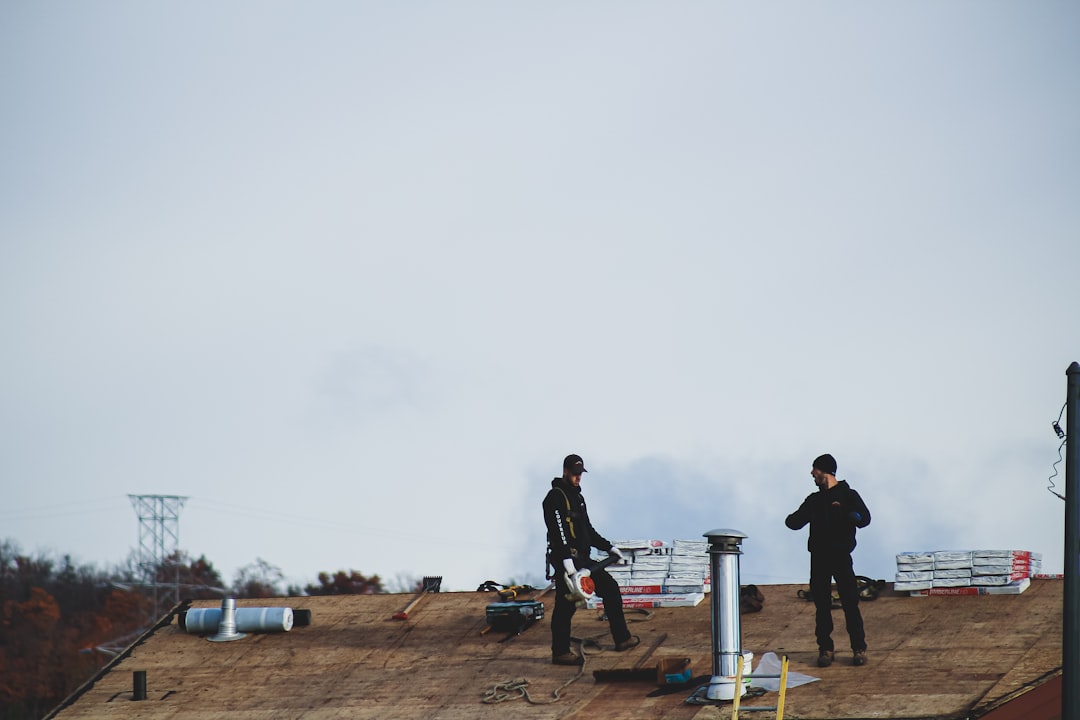
To help you visualize the project, let's break down the actual days on-site.
- Planning and Staging (Pre-Job): This happens 1–2 weeks before we arrive. We secure permits and order materials.
- Tear-Off (Day 1): This is the loudest and messiest part. We remove the old shingles and underlayment. We use heavy-duty tarps to protect your landscaping and siding.
- Decking Inspection (Day 1): Once the "bones" are exposed, we check for rot.
- Dry-In (Day 1-2): We install the new underlayment, ice and water shield, and drip edge. This is what What Can Increase the Cost of Your Roof Replacement if significant structural repairs are needed, but it's vital for a leak-free home.
- Installation (Day 1-3): The new shingles or panels are laid down.
- Cleanup and Inspection (Final Day): We finish the detail work and begin the deep clean.
Final Inspections and Property Cleanup
We don't consider the job done until your property looks better than when we arrived.
- Magnetic Sweep: We use high-powered magnetic rollers to pick up any stray nails from your lawn and driveway.
- Gutter Cleaning: We clear out any granules or debris that fell into the gutters during the process.
- Quality Assurance: A supervisor performs a final walkthrough to ensure every valley, vent, and shingle meets our 35-year standard of excellence. While the Costs of Roof Replacement are an investment, our meticulous cleanup ensures you get the "peace of mind" you paid for.
How Homeowners Can Prepare to Minimize Delays
You can actually help us move faster! A little preparation goes a long way in keeping the timeline on track.
- Vehicle Relocation: Please park your cars on the street or at a neighbor's house. We need the driveway for our equipment and debris containers. This also protects your vehicles from falling debris.
- Attic Protection: During the tear-off, vibrations can cause dust and small bits of debris to fall between the roof slats. If you have valuables in the attic, cover them with old sheets or plastic tarps.
- Neighbor Communication: It’s a nice gesture to give your neighbors a "heads up." The process is loud, and knowing it will only last a day or two helps maintain good relationships.
- Pet Safety: The noise can be stressful for dogs and cats. It’s often best to keep them in a quiet interior room or take them to a "doggy daycare" for the day.
- Power Access: We may need to plug in a tool or two. Ensuring an outdoor outlet is functional is a small but helpful step.
Frequently Asked Questions about Roof Replacement Timelines
Can I stay in my home during the replacement?
Yes, most homeowners stay home. However, you should be prepared for significant noise. If you work from home or have small children who need naps, you might find it difficult to concentrate. The vibrations can also be felt throughout the house, so we recommend removing any fragile items from your walls or shelves before we start.
What is the loudest part of the process?
The tear-off and the pneumatic nailing are the loudest phases. The "pounding" starts early—usually around 7:00 or 8:00 AM—to maximize daylight. If you are sensitive to noise, the first day of the project is the best time to plan a few errands or a trip to the park.
How does rain affect the installation schedule?
In Southern Oregon, we are used to a little drizzle, but heavy rain or high winds will pause the project. We never remove more shingles than we can replace or dry-in within a few hours. If a storm rolls in unexpectedly, we use professional-grade tarps to seal the roof until it’s safe to resume. Your home’s interior will stay dry; the only thing that changes is the completion date.
Conclusion
At Pressure Point Roofing, we understand that your home is your most significant investment. As the largest and premier roofing contractor in Southern Oregon, we’ve spent 35 years perfecting a process that is as fast as it is thorough. Whether you are in Medford, Ashland, Grants Pass, or anywhere in the Rogue Valley, our family-owned values mean we treat your timeline with the same respect we’d give our own.
If you’re ready for a stress-free Roof Replacement backed by four decades of integrity and craftsmanship, we’re here to help. We’ll get your home protected quickly so you can get back to your normal routine with the peace of mind that only a high-quality roof can provide.
Ready for a roof you can trust?
Get a free, no-pressure estimate from Southern Oregon's most trusted roofing contractor. Family-owned, 5-star rated, and roofing the Rogue Valley since 1989.