
How Metal Roofing Performs in Rain and Snow: 2026 Expert Guide
Discover how metal roofing performs in rain and snow with superior weather resistance and storm protection for Southern Oregon homes.

Why Understanding How Metal Roofing Performs in Rain and Snow Matters for Southern Oregon Homeowners
How metal roofing performs in rain and snow is one of the most important questions a homeowner in Southern Oregon can ask before investing in a new roof. Here is a quick summary:
Metal Roofing in Rain and Snow: At a Glance
| Weather Condition | How Metal Roofing Responds |
|---|---|
| Heavy rain | Smooth, non-porous surface sheds water rapidly; interlocking panels and hidden fasteners prevent leaks |
| Snow accumulation | Low-friction finish allows snow to slide off, reducing structural load |
| Ice dams | Consistent surface temperatures and non-porous material significantly reduce ice dam risk |
| Freeze-thaw cycles | Metal does not absorb moisture, so it resists cracking, swelling, and warping |
| High winds | Interlocking panel systems rated to withstand winds up to 120–140 mph |
| Hail | Class 4 impact resistance rating — the highest available |
Southern Oregon winters bring a mix of heavy rain, ice storms, and sudden temperature swings — especially across the Rogue Valley communities of Medford, Ashland, and Grants Pass. That kind of weather puts real pressure on a roof. Some materials hold up. Others crack, absorb moisture, and fail faster than most homeowners expect.
Ice dam damage alone costs American homeowners an estimated $1.2 billion every year. And asphalt shingles — the most common roofing material — can become brittle, lose granules, and start failing after just 12 to 20 years in cold, wet climates. Metal roofing, by contrast, is built to handle exactly these conditions, and understanding why can save you from a costly mistake.
This guide breaks down the real science behind metal roof weather performance — from how water moves off a standing seam panel to why freeze-thaw cycles barely affect a properly installed metal system.
I'm Larry Sykes, Director of Sales and Marketing at Pressure Point Roofing, and with over 38 years in the roofing industry, I've seen how metal roofing performs in rain and snow across the varied climates of the Pacific Northwest. I'll walk you through everything you need to know to make a confident, informed decision for your home.

How Metal Roofing Performs in Rain and Snow: The Science of Weather Resistance
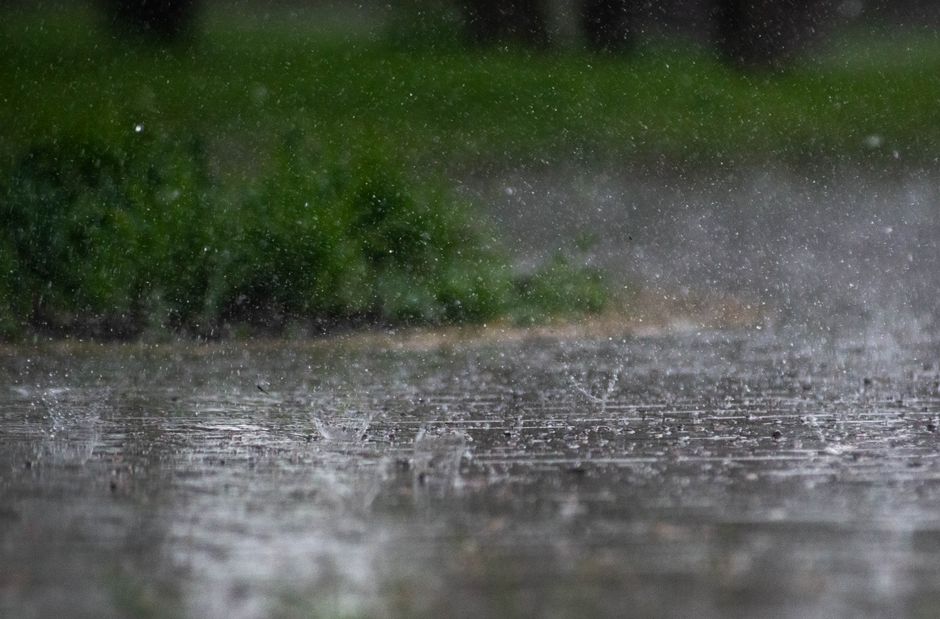
When a winter storm hits the Rogue Valley, your roof is the primary barrier between a comfortable interior and thousands of gallons of water. To understand how metal roofing performs in rain and snow, we have to look at the physical properties of the material and how modern engineering keeps water on the outside.
Unlike traditional materials that rely on overlapping layers to shed water, a high-quality metal roof is designed as a highly integrated, weather-tight system. The secret lies in the combination of a non-porous surface, interlocking panels, and hidden fasteners.
Traditional roofing materials are often porous. Under heavy rain, they absorb a small percentage of moisture. Over hours of continuous downpours, this absorption can lead to water tracking under the surface. Metal, whether it is high-grade steel, aluminum, or copper, is completely non-porous. Water cannot penetrate the surface of the metal itself; instead, it is forced to run off immediately.
Furthermore, standing seam metal roofs are engineered with raised seams that sit above the water runoff level. These seams interlock tightly, creating a continuous seal from the ridge of the roof down to the eaves. Because the fasteners are hidden beneath the panels rather than exposed to the elements, there are no open screw holes where water can eventually seep in. This creates an incredibly effective barrier against wind-driven rain, even during intense Pacific Northwest downpours.
To dig deeper into the structural benefits of these systems, check out The Essential Facts You Need to Know About Metal Roofing.
Understanding How Metal Roofing Performs in Rain and Snow Compared to Asphalt Shingles
When planning a roof replacement, most homeowners compare metal directly to standard asphalt shingles. In cold and wet climates, this comparison reveals a stark difference in both durability and physics.
Asphalt shingles rely on organic or fiberglass mats coated with asphalt and ceramic granules. While cost-effective initially, shingles are highly susceptible to moisture absorption and thermal degradation. During cold winters, shingles can absorb moisture from rain or melting snow. When the temperature drops below freezing, that trapped water expands, slowly cracking the shingles from the inside out and loosening the protective granules.
Metal roofing does not suffer from this vulnerability. Because it cannot absorb water, it is entirely immune to the internal cracking caused by freezing moisture. Additionally, while asphalt shingles can become brittle and crack in freezing temperatures, metal panels maintain their structural integrity across a massive temperature range.
| Performance Metric | Standing Seam Metal Roofing | Standard Asphalt Shingles |
|---|---|---|
| Average Lifespan in Cold Climates | 40 to 70+ Years | 12 to 20 Years |
| Moisture Absorption | 0% (Completely Non-Porous) | Low to Moderate (Porous) |
| Freeze-Thaw Vulnerability | None | High (Cracking, Granule Loss) |
| Snow Shedding Speed | Rapid (Smooth/Low-Friction) | Slow (Granular/High-Friction) |
| Weight (per sq. ft.) | 1.5 to 3 lbs | 2.5 to 4.5 lbs |
| Wind Resistance | Up to 140 mph | 60 to 110 mph |
If you are considering making the switch for your Southern Oregon home, you can read our guide on transitioning from Asphalt Shingles to a Metal Roof. To evaluate the long-term financial picture of this investment, explore our Asphalt vs Metal Roof Cost Comparison Long Term analysis.
Shedding the Weight: Snow Accumulation and Load Management
Heavy snow accumulation can put an immense amount of physical stress on a home's framing. A single cubic foot of wet, packed snow can weigh up to 20 pounds, meaning a heavy winter storm can easily add thousands of pounds of "dead load" to your roof structure.
This is where the physics of metal roofing provides a massive advantage. Metal panels feature a incredibly smooth, low-friction finish. When snow accumulates on a metal roof, it does not cling to the surface the way it does on rough, granular asphalt shingles. Instead, as the roof is warmed slightly by either the sun or minimal heat escaping from the attic, a very thin micro-layer of meltwater forms directly beneath the snow blanket.
This micro-layer acts as a natural lubricant. Because the surface is slick, the snow simply slides off the roof and falls to the ground, preventing massive loads of heavy, wet snow from piling up.
Additionally, metal roofing systems are exceptionally lightweight. Stone-coated metal roofing and standing seam panels typically weigh between 1.5 and 3 pounds per square foot, whereas traditional tile or slate can weigh up to 12 pounds per square foot. By starting with a much lighter roofing material, your home's structural framing is far better equipped to handle any temporary snow loads that do accumulate before shedding.
For residential and commercial properties in our region, working with an experienced Metal Roofing Company in Medford OR ensures that your roof is engineered to distribute these loads evenly and shed snow safely.
The Role of Snow Guards and Retention Systems
While rapid snow shedding is highly beneficial for protecting your roof's structure, it can occasionally create a safety hazard on the ground. A sudden, uncontrolled release of a large snowpack — often called a "roof avalanche" — can damage gutters, crush landscaping, block doorways, or even injure someone standing below the eaves.
To prevent these sudden slides, we install snow guards (sometimes called snow breaks) on metal roofs. Rather than stopping snow from shedding entirely, snow guards use friction and physical barriers to hold the snowpack in place, allowing it to melt slowly and slide off in small, harmless amounts.
- Fence-Type Systems: These continuous bars run parallel to the eaves and are highly effective at holding back large volumes of snow on steep slopes.
- Cleat-Type Systems: Small, individual metal or polycarbonate pads are attached throughout the roof surface to break up the snowpack into smaller sections.
If your home has solar panels, integrating snow guards is especially critical. Solar panel frames are not designed to resist the horizontal downslope forces of sliding snow. When we design these systems, we recommend leaving a "densification gap" of approximately 15% of the roof surface area between the lower edge of the solar array and the snow retention system near the eave. This allows the snow to densify and melt safely without putting destructive pressure on your solar equipment.
Defeating Ice Dams and Freeze-Thaw Cycles in Cold Climates
The freeze-thaw cycle is one of the most destructive natural forces a roof can face. When water gets into small cracks or pores in a roofing material and freezes, it expands by about 9%. This expansion generates up to 2,000 pounds of pressure per square inch, easily splitting shingles, breaking tiles, and prying open flashing.
Because metal is entirely non-porous, it cannot absorb water, making it completely immune to freeze-thaw degradation at the material level. However, freeze-thaw cycles also contribute to a much larger winter problem: ice dams.
Ice dams form when heat escaping from an under-insulated attic warms the upper sections of the roof deck. This causes the snow on the upper roof to melt. As the meltwater runs down the slope, it reaches the cold eave overhang, which is not warmed by the attic. The water refreezes at the eave, creating a thick barrier of ice. As more meltwater runs down, it pools behind this ice dam, eventually backing up under traditional shingles and leaking into the home.
Metal roofing systems dramatically reduce the risk of ice dams in three ways:
- Continuous Panels: Standing seam metal roofs have no horizontal seams for backed-up water to penetrate.
- Thermal Conductivity: Metal conducts heat more evenly across its surface than wood or asphalt, reducing the dramatic temperature differences between the upper roof and the eaves.
- Shedding Properties: Because snow slides off the metal surface quickly, there is simply less snow available on the roof to melt and form ice dams in the first place.
To ensure your home is fully protected against these winter forces, proper installation of underlayments and attic ventilation is key. Learn more about regional installation practices from our experts on Metal Roofing in Phoenix OR.
Why Southern Oregon Homeowners Trust How Metal Roofing Performs in Rain and Snow
In Southern Oregon, we experience a highly unique climate. Our winters in Medford, Ashland, and Grants Pass are characterized by rapid temperature swings. It is not uncommon to have a freezing, snowy morning followed by a rainy, 50-degree afternoon. This constant transition between freezing and thawing puts extreme stress on residential roofs.
Local homeowners choose metal because it adapts beautifully to these rapid transitions. Standing seam panels are designed with floating clip systems that allow the metal to expand and contract naturally as the temperature swings, preventing buckles or warped seams.
Whether you need a routine inspection or emergency storm repairs, our team of Local Metal Roofers is always ready to help. If you experience unexpected storm damage during a heavy winter event, you can rely on our 24 Hour Metal Roofing in Central Point OR service to secure your home.
Wind, Hail, and Extreme Storm Resilience
Winter storms in the Pacific Northwest do not just bring rain and snow; they often bring severe wind gusts and occasional hail. A high-quality metal roof acts as an armor-like shield against these extreme forces.
Many metal roofing systems are engineered and certified to withstand intense wind pressures. Because metal panels are large and securely interlocked from the eave to the ridge, they minimize wind lift points. While a strong windstorm can easily peel up individual asphalt shingles, a properly fastened metal roof can resist wind speeds up to 140 miles per hour — equivalent to the forces of an F2 tornado.
When it comes to hail, metal roofing offers unmatched protection. High-quality metal roofs carry a Class 4 impact resistance rating, which is the highest rating available in the industry. They are warrantied to withstand impacts from hailstones up to 2.5 inches in diameter without puncturing or losing their structural integrity. While severe hail might cause minor cosmetic dimpling on some flat panels, the roof will remain completely watertight, protecting your home's interior from water damage.
Beyond storm protection, metal roofs offer outstanding safety benefits in dry seasons as well. To see how metal protects your home year-round, read our guide on how to Mitigate Wildfire Risk with a Metal Roof.
Thermal Efficiency and Winter Energy Performance
There is a common misconception that because metal is cold to the touch, a metal roof will make a home colder in the winter. In reality, the opposite is true. A professionally installed metal roof can save homeowners up to 40% on their energy costs.
During the winter, the key to energy efficiency is heat retention. Metal has low thermal conductivity, and when installed with a proper airspace between the metal panels and the roof deck, this airspace acts as an additional insulating barrier. This pocket of dead air helps prevent valuable heat from escaping your living space into the freezing air outside.
Furthermore, the color and finish of your metal roof can be optimized for your local climate:
- Solar Absorption: In cooler, high-snowfall areas, choosing a darker stone-coated or painted metal roof helps absorb solar radiation during daylight hours. This natural heat absorption warms the panels slightly, accelerating snowmelt and ice dispersion.
- Attic Ventilation: By combining a metal roof with balanced ridge and soffit ventilation, we ensure that the attic space stays at a consistent, cold temperature. This keeps your home's insulation working efficiently and prevents the attic heat loss that causes ice dams.
For more tips on choosing the right metal roofing system for thermal performance, take a look at our 24 Hour Metal Roofing Phoenix OR Guide.
Winter Installation and Maintenance Best Practices
Can you install a metal roof during the winter? Yes, absolutely! Unlike asphalt shingles, which require warm ambient temperatures for their self-sealing adhesive strips to bond properly, metal roofing can be installed in freezing temperatures.
As long as the roof deck is dry and safe for our crews to work on, the mechanical fastening of metal panels is not affected by the cold. However, if you are planning a winter reroof, you might wonder: Metal Roof Installation Should You Remove the Old Shingles? In many cases, a metal roof can be installed directly over existing shingles, adding an extra layer of insulation, though our team will evaluate your roof's decking to ensure it is structurally sound.
To keep your metal roof performing flawlessly through the wet and snowy seasons, we recommend a few simple maintenance practices:
- Clean Your Gutters: Ensure your gutters are completely clear of leaves and debris before winter. When snow melts off a metal roof, it runs off rapidly; if your gutters are blocked, water can back up and freeze, damaging the gutters and eaves.
- Trim Overhanging Branches: Heavy snow and ice can cause tree branches to sag or break. Keep all branches trimmed back at least six feet from your roof to prevent them from scratching the protective coating on your metal panels.
- Let Snow Shed Naturally: Avoid the temptation to climb onto a steep, icy metal roof to clear snow. Metal is incredibly slick when wet or icy, and climbing on it is highly dangerous. Let the low-friction surface and the winter sun do the work for you.
For a comprehensive checklist on keeping your roof in peak condition, read our Metal Roof Maintenance Complete Guide.
Frequently Asked Questions about Metal Roof Weather Performance
Are metal roofs noisy during heavy rain or hail?
This is one of the most common questions we hear, and the answer usually surprises homeowners! When properly installed over a solid roof deck with modern underlayment and standard attic insulation, metal roofs are no noisier than any other roofing material.
The wood decking, underlayment, and thick attic insulation act as highly effective sound-dampening barriers. In fact, many homeowners find the soft, muffled sound of rain on a metal roof to be incredibly peaceful. If you choose stone-coated metal roofing, the irregular texture of the stone granules breaks up the impact of rain and hail, dampening the sound even further.
Can metal roofs be safely installed during the winter months?
Yes. Because metal panels are secured mechanically with screws and brackets rather than chemical adhesives, cold temperatures do not affect the quality of the installation.
Our professional crews take extra safety precautions during winter installs, such as monitoring for frost or ice on the roof deck and using specialized safety harness systems. Installing in the winter is an excellent way to prepare your home for early spring rains without waiting for the busy summer roofing season.
Do metal roofs increase the risk of ice dams?
No, they actually reduce it. While ice dams are caused by poor attic insulation and inadequate ventilation, metal roofs help mitigate the risk.
Because metal is non-porous, any water that pools behind a temporary ice build-up cannot seep through the panels. Additionally, because snow slides off the slick surface of a metal roof quickly, there is far less snow left on the roof to melt and feed an ice dam in the first place.
Conclusion
When you look at the science of how metal roofing performs in rain and snow, it is clear why so many Southern Oregon homeowners are making the switch. From shedding heavy snow loads and resisting freeze-thaw cracking to providing unmatched leak protection in heavy rain, a metal roof is a lifetime investment in your home's safety and comfort.
At Pressure Point Roofing, we are proud to be the largest and premier roofing contractor in Southern Oregon. Across the Rogue Valley, from Medford and Central Point to Ashland and Grants Pass, our family-owned company has spent 35 years building a reputation for high-quality craftsmanship, exceptional customer service, and absolute integrity.
Our certified installers treat every home as if it were our own, ensuring your new metal roof is engineered to withstand whatever winter throws our way.
If you are ready to upgrade your home with a roof that handles rain, snow, wind, and hail with ease, we are here to help. Contact the premier metal roofing experts in Southern Oregon today to speak with our friendly team and schedule your professional consultation!
Ready for a roof you can trust?
Get a free, no-pressure estimate from Southern Oregon's most trusted roofing contractor. Family-owned, 5-star rated, and roofing the Rogue Valley since 1989.