
How Solar Roofing Works With Your Home: 5 Essential Tips
Discover how solar roofing works with your home to generate clean power and cut utility bills in Southern Oregon.

How Solar Roofing Works with Your Home: What Every Southern Oregon Homeowner Should Know
Understanding how solar roofing works with your home is simpler than most people expect. Here's a quick breakdown:
How Solar Roofing Works — At a Glance:
- Sunlight hits photovoltaic (PV) cells built into your roof's shingles or tiles
- Those cells generate DC electricity, which flows to a solar inverter
- The inverter converts DC to AC power, the kind your home appliances actually use
- Excess energy goes to the grid (earning you credits via net metering) or into a battery for later use
- Your home draws from solar first, then the grid when solar output falls short
That's the core loop — sunlight in, usable electricity out, savings on your utility bill.
Solar technology has come a long way. What used to mean bulky panels bolted onto a finished roof now includes sleek, integrated roofing systems that generate clean power while protecting your home at the same time. Since 2008, hundreds of thousands of American homeowners have made the switch to solar — and the systems keep getting better, more durable, and more visually appealing.
For homeowners in Southern Oregon, where sunshine hours are surprisingly strong through the spring, summer, and fall, a solar roof isn't just an environmental choice. It's a practical, long-term investment in your home's performance and value.
I'm Larry Sykes, Director of Sales and Marketing at Pressure Point Roofing, with over 38 years of experience in the roofing industry — and I've seen how understanding how solar roofing works with your home can help homeowners make smarter decisions when it's time for a roof replacement or upgrade. In the sections ahead, I'll walk you through everything you need to know, from how the technology works to what makes a roof truly solar-ready here in the Rogue Valley.

What is Solar Roofing and How Does It Differ from Traditional Panels?
When people think of home solar, they usually picture large, dark glass panels mounted on metal racks that sit several inches above the existing shingles. While traditional rack-mounted panels are incredibly efficient and common, they are no longer the only game in town.
Today, we have access to Solar Roofing, which utilizes Building Integrated Photovoltaics (BIPV). Instead of mounting hardware on top of your roof, the solar technology is built directly into the roofing material itself. Solar shingles and solar tiles serve a dual purpose: they act as a durable, water-shedding protective barrier to keep your home dry, and they generate clean electricity.
This innovation is a major part of modern Specialty Roofing. Rather than having a roof and a separate solar system, you have a single, unified system.
Here is a quick look at how these two approaches compare:
| Feature | Traditional Rack-Mounted Panels | Integrated Solar Roofing (BIPV) |
|---|---|---|
| Aesthetic Appeal | Bulky, sits above the roofline, highly visible. | Sleek, low-profile, blends seamlessly with shingles. |
| Installation Method | Bolted through the existing roof with lag screws. | Nailed or clicked directly into the roof deck. |
| Roof Penetrations | Requires multiple lag bolts, increasing leak risks. | Minimal penetrations, installed like standard roofing. |
| Primary Function | Power generation only. | Power generation AND weather protection. |
| Best Time to Install | Any time, provided the existing roof is in good shape. | During a complete roof replacement or new build. |
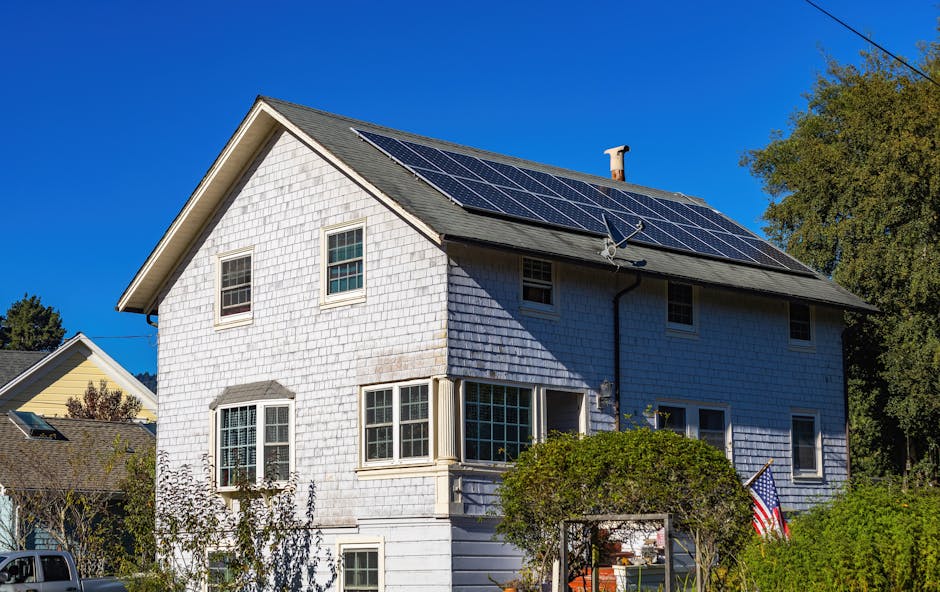
The Mechanics: How Solar Roofing Works with Your Home to Generate Power
At its heart, solar roofing relies on the same scientific principles as traditional solar panels. The magic happens within the photovoltaic (PV) cells embedded in each solar shingle or tile.
These cells are made of semiconductor materials, most commonly silicon. When photons from sunlight strike these semiconductor materials, they knock electrons loose from their atoms. This movement of electrons creates an electrical flow known as Direct Current (DC) electricity.
However, your home's appliances, lights, and wall outlets do not run on DC electricity; they run on Alternating Current (AC) electricity. To bridge this gap, the DC power generated by your roof travels down specialized, weather-tight wiring to a key component called a solar inverter.
The solar inverter converts the raw DC power into clean AC power. From the inverter, the electricity is routed directly into your home’s main electrical panel (breaker box). Once there, it is distributed to power your refrigerator, television, heat pump, and phone chargers. If your home is demanding more power than your roof is producing, your electrical panel seamlessly draws the difference from the local utility grid.
Understanding How Solar Roofing Works with Your Home's Electrical Grid
Most modern solar roofs are "grid-tied" systems. This means your home remains connected to the local utility grid, which acts as a safety net.
When your solar roof is basking in the peak Southern Oregon summer sun, it will often generate more electricity than your household actually needs. Instead of letting this excess power go to waste, a grid-tied system sends it backward through a bidirectional utility meter and out into the local electrical grid.
This process is supported by a billing mechanism known as net metering. When you export power to the grid, your utility company tracks the excess and credits your account. During the night or during stormy winter afternoons when your roof isn't producing enough power, you draw electricity back from the grid, using up those accumulated electricity credits. This keeps your utility bills as low as possible and ensures you always have a steady supply of power.
Enhancing Energy Independence: How Solar Roofing Works with Your Home Battery Storage
While being tied to the grid is convenient, standard grid-tied solar systems have a built-in safety feature: they automatically shut down during a power outage. This prevents your system from sending electricity back into the power lines, which could severely injure utility technicians working to restore power.
If you want to keep your lights on when the grid goes down, you can pair your solar roof with a battery backup system.
Adding energy storage completely changes the dynamic. During the day, your solar roof powers your home and charges your battery system. Once the battery is full, any remaining excess energy is sent to the grid. If a storm hits or a wildfire forces a power outage in your area, your system automatically disconnects from the grid and switches to battery power. This smart energy monitoring ensures your essential appliances, medical equipment, and lights keep running smoothly without interruption.
Key Considerations for Installing a Solar Roof in Southern Oregon
Before jumping into a solar roof project, it is essential to evaluate whether your property is a good candidate. Not every home is perfectly suited for solar generation, and several local factors must be taken into account.
- Roof Pitch and Orientation: Solar shingles perform best on sloped roofs with a pitch that allows them to shed water properly while catching optimal sunlight. In the Northern Hemisphere, south- and west-facing roof slopes receive the most direct sunlight throughout the day.
- Shading: Tall Douglas firs, maples, or neighboring structures that cast heavy shadows on your roof will reduce your system's overall output. A professional site assessment will map the sun's path over your home to identify any shading issues.
- Climate Suitability: Our local climate varies widely, from the rainy coastal areas near Gold Beach and Brookings to the hot, dry summers of Medford, Ashland, and Grants Pass. Understanding What is the Best Roofing Material for Oregon Weather and How Climate Affects Your Roofing Material Choice is critical when choosing a system that can handle both heavy seasonal rains and high summer temperatures.
- HOA and Resale Value: Because integrated solar shingles sit flush with your roofline, they are highly favored by Homeowners Associations (HOAs) that might otherwise object to the look of traditional rack-mounted panels. Furthermore, studies consistently show that homes equipped with functional solar roofing systems sell faster and at higher values than those without.
The Importance of Proper Ventilation with Solar Roofing
One often-overlooked aspect of how solar roofing works with your home is ventilation. Photovoltaic cells naturally generate heat as they convert sunlight into electricity. However, solar cells actually become less efficient as they get hotter.
To maintain peak performance, your roof must be able to dissipate heat efficiently. This is why proper attic ventilation is absolutely non-negotiable. Without a continuous flow of cool air entering through your soffit vents and hot air escaping through your ridge vents, your attic temperature will skyrocket. This trapped heat can bake your solar shingles from underneath, reducing their lifespan and lowering your daily energy production.
To learn more about how crucial this balance is, read our guides on Why Proper Ventilation is Significant to Roofing Systems, Roof Ventilation: How it Works and What it Does, and Why Proper Attic Ventilation is a Must.
Combining Roof Replacement with Solar Installation
Because solar roofing acts as your actual roofing material, the absolute best time to install it is when your existing roof is already due for a replacement. Trying to retrofit solar shingles onto an older roof rarely makes financial or practical sense, as you would have to tear off perfectly functional solar components down the road when the underlying shingles finally fail.
When we perform a complete tear-off process, we inspect the wooden roof decking for any structural damage, apply a high-temperature underlayment designed to handle the thermal demands of solar technology, and then install the integrated system.
If you prefer a different aesthetic, you might explore how solar integrations pair with other materials. For instance, reading The Essential Facts You Need to Know About Metal Roofing can help you weigh the longevity of metal against integrated shingles.
Most premium solar roofing systems are built to last, coming with robust 25-year warranties that cover both the weatherproofing performance of the roof and the power generation output of the PV cells. Additionally, by coordinating your roof replacement and solar installation in the same calendar year, you may be eligible to apply federal tax credits to a significant portion of the project.
Frequently Asked Questions About Solar Roofing
How do solar roofs perform in cloudy weather or snow?
Many homeowners worry that our gray Pacific Northwest winters will render a solar roof useless. Fortunately, solar shingles do not need blazing, direct sunlight to work; they can generate electricity on overcast days using diffuse sunlight. While output will be lower than on a bright July afternoon, your system will still produce power.
When it comes to snow, the smooth tempered glass surface of solar tiles naturally encourages snow shedding. As soon as a little sunlight hits the dark surface, the tiles warm up, causing the snow to slide off quickly so your system can resume generating power.
What kind of maintenance does a solar roof require?
Solar roofs are remarkably low-maintenance because they have no moving parts. For the most part, our seasonal Southern Oregon rains do an excellent job of keeping the glass surfaces clean.
If you live in an area prone to wildfire smoke, heavy dust, or falling leaves, your roof may occasionally need a gentle rinsing with cool water from a garden hose. Avoid using harsh chemical cleaners, abrasive brushes, or pressure washers, which can scratch the glass. We also recommend scheduling annual professional inspections to ensure all electrical connections remain secure and the ventilation system is clear of debris.
Can solar roofing be installed on complex roof shapes?
Yes! Unlike traditional solar panels, which require large, flat rectangular spaces, solar shingles are highly adaptable. They can be installed on roofs with complex architectural features like dormers, valleys, and hipped roofs.
To maintain a clean, uniform aesthetic across your entire home, manufacturers use "dummy modules" (non-active shingles that look identical to the active solar shingles) around valleys, vents, and heavily shaded sections. This gives your home a balanced, beautiful look while maximizing power generation on the sunny slopes.
Conclusion
Investing in a solar roof is an excellent way to lower your carbon footprint, protect your home from the elements, and secure long-term energy savings. By understanding how solar roofing works with your home, you can confidently take the next steps toward energy independence.
As the largest and premier roofing contractor in Southern Oregon, Pressure Point Roofing has spent decades helping homeowners across the Rogue Valley — including Medford, Ashland, and Grants Pass — find the perfect solutions for their properties. Whether you are looking for traditional roof repairs, a full replacement, or specialty options, our family-owned values and commitment to quality craftsmanship ensure you get a roof that is built to last.
Ready to explore your options? Check out All Services to see how we can assist you, or learn more about sustainable roofing choices by visiting our Specialty Roofing page today!
Ready for a roof you can trust?
Get a free, no-pressure estimate from Southern Oregon's most trusted roofing contractor. Family-owned, 5-star rated, and roofing the Rogue Valley since 1989.