Solar Roofing

Need a Reliable, Energy-Efficient Solar Roof Solution?
Discover the unmatched efficiency and sustainability of solar roofing for your property. Rising utility costs and the need for energy independence have made solar integrations a necessity rather than a luxury, yet finding a system that balances aesthetic appeal with structural integrity can be challenging. Equip your home to harness Oregon’s ample solar potential while cutting energy costs year-round. Contact us today to discuss available financing options and schedule your comprehensive site evaluation.
Homeowners in Applegate, Ashland, and Medford often face the dilemma of choosing between a durable roof, an energy-efficient power system, and a sustainable, eco-conscious building envelope. At Pressure Point Roofing, we believe you should not have to compromise. We combine premium roofing materials with advanced solar technology — and, where suited, sustainable green-roof assemblies — to create a unified, energy-saving shield for your home. Whether you are located in Grants Pass, Central Point, or the higher elevations of Butte Falls and Klamath Falls, our solutions are engineered to withstand local weather patterns while maximizing energy production and efficiency.
- Maximize energy savings with state-of-the-art solar technology and high-performance, energy-efficient roofing layers.
- Benefit from quick, professional installation and start reducing your utility bills immediately.
- Enjoy peace of mind with comprehensive warranties and robust financing options.
- All installations comply with local codes and permits, with attractive financing to ease your transition to a sustainable home.
Comprehensive Solar Solution: What’s Included in Your Roof Upgrade
When you invest in a solar roofing system, you are purchasing a complex energy ecosystem designed to protect your home and generate power simultaneously. A fragmented approach—buying a roof from one vendor and panels from another—often leads to warranty disputes and integration failures. We provide a holistic package where every component interacts seamlessly.
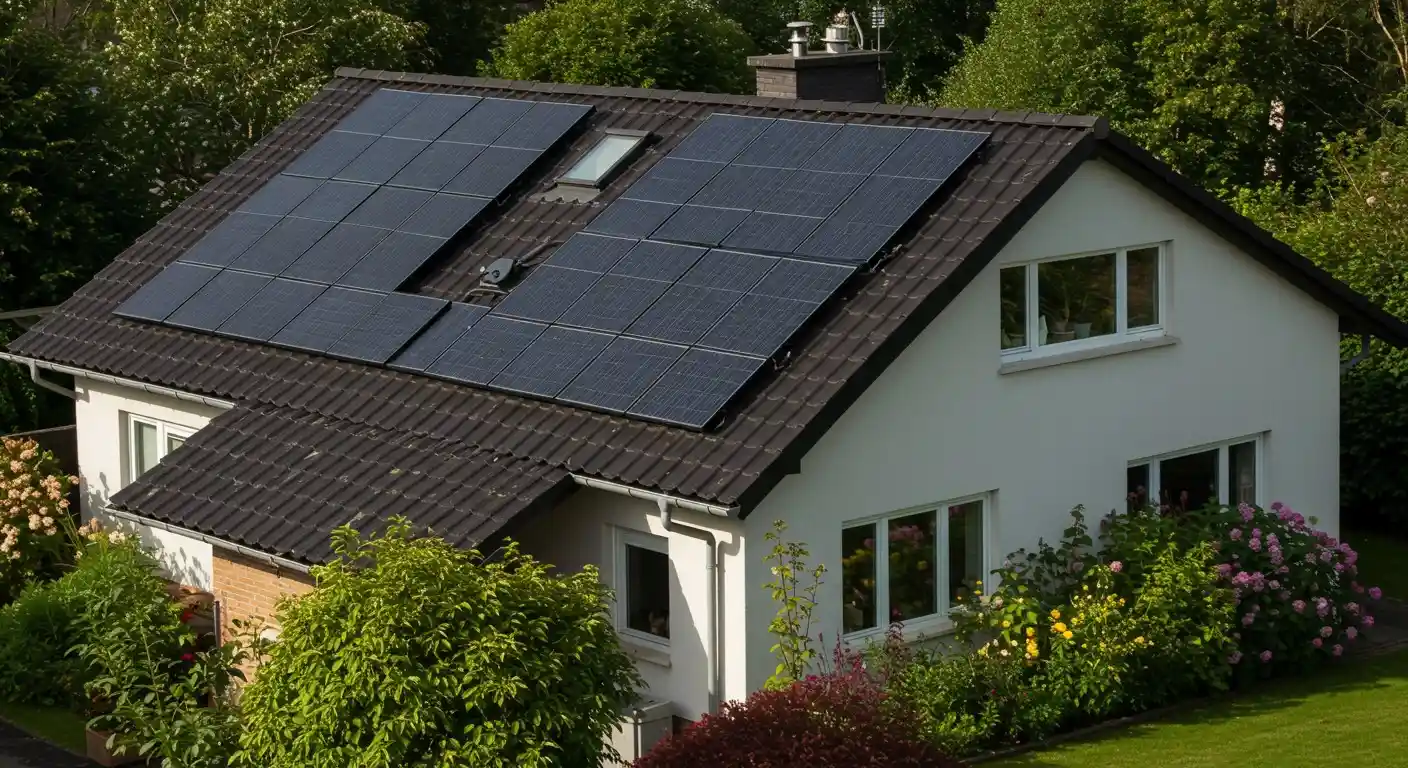
High-Performance Solar Modules and Roofing Materials
The core of your system involves high-efficiency photovoltaic modules integrated directly with premium roofing materials. Unlike older, bulky systems, modern solar roofing minimizes penetrations and lies flush with the roofline where possible, or utilizes low-profile racking systems that blend with the architecture of homes in Eagle Point and Jacksonville. The roofing material itself, whether asphalt or metal, is selected for longevity to ensure the roof lasts as long as the solar components.
Inverters and Power Conversion
Your solar panels generate Direct Current (DC), but your home runs on Alternating Current (AC). We include top-tier inverters—either micro-inverters attached to individual panels or a central string inverter with power optimizers. Micro-inverters are particularly effective for homes in areas like Gold Hill or Rogue River, where partial shading from trees might occur, as they allow each panel to operate independently, preventing one shaded panel from dragging down the entire array.
Structural Mounting and Waterproofing
The most critical aspect of solar roofing is ensuring the watertight integrity of the installation. Our package includes purpose-built mounting hardware and flashing kits. We do not rely on generic caulk; we utilize engineered flashing systems that slide under the shingles and bolt into the rafters, creating a mechanical seal that withstands the heavy rains typical of the Pacific Northwest.
Monitoring and Energy Management
Transparency is key to return on investment. Your installation includes access to a web-based or app-based monitoring platform, allowing you to track energy production in real time, monitor system health, and verify your system is meeting performance benchmarks.
Sustainable & Green Roofing: Energy Efficiency Beyond Solar
Solar is one path to a sustainable home, but it is not the only one. For homeowners with flat or low-slope roofs—and for those seeking maximum energy efficiency—a vegetative “green” roof system delivers powerful eco-friendly benefits that complement or stand alongside solar. These living roof systems transform dead space into a functional, energy-saving asset, and the two approaches share the same goal: a high-performance building envelope that lowers utility bills and protects your investment.
- Thermal Regulation: Traditional roofing absorbs solar radiation and transfers heat into the structure. A green roof acts as a thermal mass, absorbing the sun’s energy and releasing it slowly through evapotranspiration. Combined with advanced insulation layers, this can reduce energy costs by a significant margin and substantially lighten the load on HVAC systems during hot Southern Oregon summers — keeping homes cooler in summer and warmer in winter.
- Stormwater Management: In areas like Cave Junction and Butte Falls, where seasonal precipitation can be heavy, green roofs absorb a large percentage of rainfall. This retention delays runoff, reduces stress on municipal sewer systems, and decreases the risk of localized flooding around the foundation. The vegetation and growing medium also filter pollutants, so water leaving the roof is cleaner than when it arrived.
- Roof Longevity: A vegetative layer shields the waterproofing membrane from UV degradation and thermal shock, extending the service life of the system underneath — the same durability logic that drives our integrated solar roofing.
- Noise Reduction: The combination of soil, plants, and trapped air within a green roof serves as an excellent acoustic insulator, creating a noticeably quieter interior for properties near busy corridors in Phoenix or Talent.
- Engineered, Multi-Layer Assembly: A proper green roof is not just plants on a deck. It comprises a heavy-duty root-resistant waterproofing membrane, a dedicated root barrier, a drainage layer, filter fabric, an engineered lightweight growing medium (never standard garden soil), and vegetation. We typically select drought-tolerant, fire-resistant sedums and succulents suited to the local microclimate — from the higher elevations near Butte Falls to the valley floor of Eagle Point.
Whether your goal is on-site power generation, lower energy bills, stormwater compliance, or all three, we engineer the sustainable roofing solution that fits your structure and your budget.
Our Solar Installation Process: Efficient, Professional, Meticulous
A solar roof project involves precise coordination between roofing craftsmanship and electrical engineering. We manage every phase, removing the administrative burden from the homeowner so residents in Phoenix, Talent, and White City experience a streamlined transition to solar energy without construction delays.
Site Assessment and Engineering Review
The process begins with a detailed structural and solar analysis. We assess the age and condition of your roof decking, the azimuth (direction) of your roof planes, and the shading impact from nearby terrain or vegetation. For homes in Cave Junction or Williams, where terrain varies, this step is vital. We also perform a load calculation to ensure your roof framing can support the additional weight of the solar array or vegetative system, plus snow loads.
Permitting and Utility Interconnection
Before a single shingle is removed, we handle the regulatory requirements. This involves submitting plans to local building departments for structural and electrical permits and submitting interconnection applications to your utility provider, granting permission to connect to the grid for net metering where available. We navigate the specific codes required in Merlin, Shady Cove, and surrounding areas so you don't have to.
Roof Preparation and Mounting
If a full roof replacement is part of the project, we strip the old roof down to the deck, inspect for dry rot, and install new underlayment. Once the surface is prepared, our teams install the stanchions and rails with precision so the array is level and aesthetically pleasing. Waterproofing measures are verified at every penetration point before the modules are attached. For green-roof builds, we conduct a flood test to verify the watertight seal before layering the drainage board, filter fabric, substrate, and vegetation.
Electrical Integration and Commissioning
Technicians route wiring through the attic or conduit runs to the main service panel. The inverter and disconnect switches are installed per National Electrical Code (NEC) standards. After passing the final inspection and receiving "Permission to Operate" from the utility company, we power on the system and walk you through the monitoring interface.
Deciding Between Solar Roof Replacement and Repair
Homeowners often ask if they should install solar on their current roof or if a full replacement is necessary. If you install panels on a roof with only five to ten years of life remaining, you will eventually pay to remove and reinstall the system to replace the roof underneath.
When to Replace the Roof with Solar
If your existing roof is approaching the end of its warranty period or shows granular loss, curling shingles, or previous leak repairs, a full replacement is the financially sound choice. Combining the projects allows for integrated flashing, superior waterproofing, and often simplified financing, ensuring the roof's lifespan matches the 25+ year lifespan of the solar panels. The same logic applies to converting to a green roof during a necessary tear-off — since the labor for removal and new waterproofing is already required, the marginal cost of the vegetative system delivers a higher return than installing it standalone later.
When Retrofitting is Viable
If your roof is less than ten years old and structurally sound, a retrofit may be appropriate. We conduct a rigorous inspection to ensure the existing shingles are pliable and the decking is solid. Even with newer roofs, we often recommend replacing the specific section under the planned array for fresh underlayment and maximum protection.
Analyzing Energy Goals vs. Structural Reality
Sometimes a roof’s design isn't ideal for solar due to vents, dormers, or orientation. In these cases, a roof replacement offers the opportunity to redesign ventilation or move obstructions to maximize the array’s footprint — particularly relevant for older homes in historic areas like Jacksonville where roof lines can be complex.
Local Expertise: Navigating Oregon’s Sustainable Roofing Regulations
Installing solar or green roofing in Oregon requires specific knowledge of regional climate challenges and regulatory frameworks. The environment from the Rogue Valley to the Klamath Basin presents unique variables that generic national installers often overlook.
Managing Moisture and Moss
Oregon’s climate, particularly in the wetter months, promotes moss growth which can compromise roofing materials and solar efficiency. View our maintenance program for details. We use materials treated to resist algae and install arrays with sufficient airflow to prevent moisture trapping. For green roofs, we plan maintenance zones — typically a gravel perimeter around penetrations — so future work on AC units, skylights, or solar panels can be performed without damaging the living roof.
Snow Load and Wind Resistance
Areas like Klamath Falls and higher elevations near Butte Falls experience significant snowfall. Solar arrays and saturated green-roof assemblies must be engineered to handle these static loads without stressing the structure. We use high-strength racking and lag bolts that secure systems directly into the trusses, ensuring panels remain secure even in high-wind events.
Understanding Oregon Incentives
Oregon offers various incentives for renewable energy and sustainability. Navigating eligibility for Energy Trust of Oregon incentives, or understanding how the Federal Investment Tax Credit applies to your dual roofing + solar project, requires experience. We provide documentation and guidance to help you maximize available financial benefits and understand the net cost of your investment.
Local Permitting and Fire-Safety Nuances
Building codes vary between Jackson, Josephine, and Klamath Counties. Setback requirements (fire lanes on the roof) differ by jurisdiction, and Wildland-Urban Interface (WUI) codes in places like Ashland may dictate fire-resistant materials and the plant types allowed on green roofs to minimize fire risk. Our familiarity with local inspectors and city codes in Grants Pass and Medford expedites approval and prevents administrative delays.
Why Choose Us: Local Experience, Statewide Reach
Selecting a contractor for a solar or sustainable roofing project is a decision that impacts your home’s value and safety for decades. You need a partner who understands the intersection of watertight roofing, electrical performance, and biological systems.
Unified Accountability
Many solar companies sub-contract the roofing work, and many roofers sub-contract the solar work, creating a "blame game" if a leak occurs. We provide a single point of accountability — one number to call for any issue regarding the roof or the energy system. This unified warranty coverage protects your investment and simplifies ownership.
Technical Precision and Training
Our teams undergo rigorous training in roofing best practices, solar installation safety, and vegetative-assembly application methods. We do not use general laborers for specialized tasks. From layout design to the final torque check on racking bolts — and the root-resistant membrane work that makes a green roof last — every step is performed by trained professionals who follow manufacturer specifications.
Serving Southern Oregon Communities
We are deeply rooted in the community, serving a wide radius including Applegate, Merlin, and Talent. We understand the local architecture, from ranch-style homes to custom builds in the hills, and our reputation is built on reliability and the successful completion of complex, sustainability-focused projects across the region.
Secure Your Energy Future Today
Transitioning to solar or sustainable green roofing is a significant step toward energy independence, lower utility bills, and property protection. It requires a strategic approach that prioritizes structural integrity, energy efficiency, and long-term durability. By choosing a dedicated service that manages both the roofing and energy components, you eliminate risks and ensure a seamless installation.
Pressure Point Roofing is ready to help you navigate this transition with expertise and transparency. Don’t wait for energy prices to rise further or for your current roof to fail. Take control of your home’s energy production, efficiency, and curb appeal simultaneously.
Contact our team now to request your comprehensive solar or green roofing proposal and site assessment.
Contact Us