Roof Inspection

Secure Your Roof Against Oregon's Weather
Facing unexpected leaks or worried about your roof’s condition after the last heavy storm can create significant anxiety for any homeowner. Immediate, thorough inspections are the only way to accurately identify water intrusion points and structural weaknesses before they evolve into costly remediation projects. Contact Pressure Point Roofing today to schedule an expert assessment — from a single post-storm evaluation to a recurring annual check — and secure the integrity of your home.
Residents across Southern Oregon know that our region’s climate is unforgiving to compromised roofing systems. Whether you are located in the bustling center of Medford or the quieter stretches of Applegate and Williams, ignoring a potential roofing issue often leads to compounded damage, including mold growth, insulation rot, and interior drywall failure. A comprehensive inspection is also the most effective way to maintain the validity of your manufacturer warranties. Pressure Point Roofing provides the data you need to make informed decisions about your property.
- Receive a detailed, written inspection report outlining the exact condition of your roof within 24 hours of our visit.
- Ensure your roofing system remains in full compliance with Oregon's strict residential building codes and environmental standards.
- Benefit from expert consultations that provide a clear financial comparison between targeted repairs and full system replacement.
All inspections meet local regulatory standards and are conducted with a focus on long-term structural warranties and insurance documentation requirements.
Comprehensive Roof Inspection Details: What We Examine and Why
A professional roof inspection is a forensic examination of your home’s primary defense system. It goes far beyond a cursory glance from the driveway. Our inspectors physically traverse the roof surface (when safe) and enter internal access points to gather a complete picture of the roof's health. This level of detail is critical for homeowners in areas like Ashland and Jacksonville, where historical architecture often meets modern weathering challenges. The most dangerous issues are often invisible from the ground, so we predict future failure points rather than simply confirming current leaks.
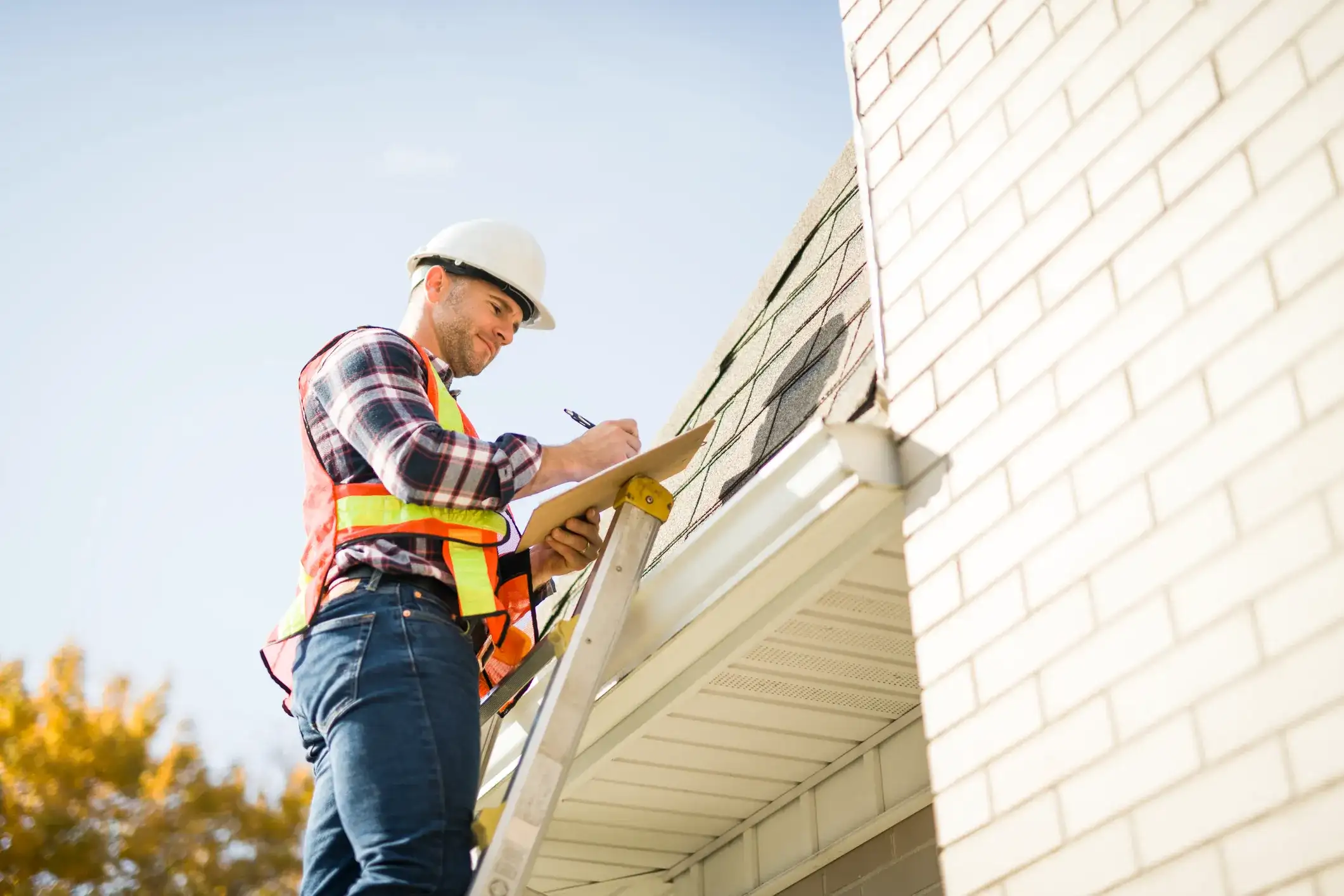
Exterior Structural Analysis
The exterior inspection focuses on the material integrity of the roof covering and its ability to shed water effectively.
- Shingle and Tile Condition: We scrutinize shingles for granule loss, blistering, curling, and cracking. In areas like Klamath Falls where temperature fluctuations are distinct, thermal shock can cause materials to degrade faster. For tile roofs, we check for slipped or broken tiles that allow water to reach the underlayment.
- Flashing Systems: The most common source of leaks is failed flashing. We examine step flashing, counter flashing, and apron flashing around chimneys, skylights, and dormers. If the metal has rusted or pulled away from the structure, water intrusion is inevitable.
- Pipe Boots and Seals: We inspect the rubber boots around plumbing vents, a common failure point because rubber degrades faster than asphalt.
- Gutter and Drainage Assessment: Gutters must be firmly attached and pitched correctly to move high volumes of water away from the foundation. We check for granular buildup in the troughs, which indicates advanced shingle wear, and ensure downspouts are clear of obstructions.
- Ridge and Hip Vents: Ventilation points are inspected to ensure they are not blocked by debris or moss. Proper airflow is essential to prevent heat buildup that cooks shingles from the underside.
Interior Attic and Insulation Check
Often, the evidence of a roof failure is found beneath the deck, not on top of it. This is a critical step often skipped by amateurs. Our teams inspect attic spaces in homes from Central Point to Eagle Point to find subtle signs of failure, including daylight peeking through the roof deck.
- Decking Integrity: We examine the plywood or OSB sheathing for water stains, delamination, or dark spots indicating mold. Soft spots in the decking are a safety hazard and a sign of prolonged exposure to moisture.
- Ventilation Effectiveness: We verify that soffit vents are not blocked by insulation. Without proper intake and exhaust, moisture from the home gets trapped in the attic, leading to "attic rain" and mold growth during the wet season.
- Insulation Status: Wet or matted insulation loses its R-value and indicates a leak directly above. We trace these moisture patterns to their source on the roof exterior.
Optimal Timing and Seasonal Considerations
Most roofing experts recommend scheduling inspections twice a year, though an annual check is the minimum requirement for maintaining most warranties. The ideal windows are:
- Late Spring: To assess any damage caused by winter storms, ice dams, or heavy debris accumulation.
- Early Autumn: To ensure the roof is sealed and prepared for the upcoming rainy season and potential snow in higher elevations like Cave Junction or near Mount Ashland.
The season also dictates the focus of the inspection. During the dry summer months in Eagle Point or White City, attention shifts to UV damage and thermal shock, where rapid heating and cooling cause materials to expand and contract, potentially loosening fasteners. In contrast, post-winter inspections in Merlin or Applegate focus heavily on moisture retention and moss growth that can lift shingles and allow water ingress. Annual checks are particularly vital for aging roofs in historic areas like Jacksonville, providing critical data on how many serviceable years remain so you can plan strategically rather than be caught off guard.
From Inspection to Solution: Our Step-by-Step Process
We operate with a standardized workflow designed to minimize disruption to your day while maximizing the accuracy of our findings. Homeowners in Grants Pass, Rogue River, and surrounding communities rely on this transparent process.
- Initial Consultation and Scheduling: We confirm the scope of the inspection, whether it is a routine maintenance check, a post-storm assessment, or a certification for a real estate transaction.
- Exterior Perimeter Assessment: The inspector first walks the perimeter, looking for ground-level evidence such as shingle granules, checking fascia and soffits for rot, and assessing the straightness of the roofline. Sagging ridges or eaves can indicate structural issues warranting immediate attention.
- Safe Roof Access and Surface Analysis: The inspector ascends using safety gear appropriate for the pitch and height, then walks the entire surface section by section in a grid pattern so no square foot is overlooked. They test for "spongy" spots that indicate decking rot, physically check the adhesion of shingle tabs for wind resistance, and closely examine skylights and chimney crickets for sealant failure. Every defect is documented with high-resolution photography.
- Interior Attic Inspection: The inspection moves inside to verify decking, ventilation, and insulation condition as detailed above.
- Water Intrusion Testing: Where a leak is suspected but not visible, we perform controlled water testing to recreate the leak and pinpoint the entry path.
- Report Generation and Review: You receive a comprehensive digital report including photos of identified issues, the roof’s remaining life expectancy, and prioritized recommendations. This documentation is essential for insurance claims, verifying the date and extent of any storm damage.
Deciding Between Roof Repair and Replacement: What You Need to Know
One of the primary goals of a roof inspection is to determine the most financially prudent course of action. Homeowners in White City and Shady Cove often struggle to decide whether to patch a problem or invest in a new system. Our inspection provides the objective data required to make that call.
When Repair is the Right Choice
If the roof is relatively young and the damage is localized, repair is usually the superior option.
- Localized Impact: If storm damage is confined to a single slope or section, such as a tree-limb puncture, replacing the surrounding shingles and decking is cost-effective.
- Flashing Failures: If the shingles are in good condition but the chimney flashing is leaking, a targeted repair can extend the roof’s life by several years.
- Recent Installation: Roofs installed within the last 10–15 years usually retain enough flexibility to be repaired without damaging surrounding materials.
When Replacement is Necessary
There are tipping points where repair costs become sunk money better invested in a new system.
- Widespread Granule Loss: When shingles lose their granules, the asphalt layer is exposed to UV rays, leading to brittleness and failure. If consistent across the entire roof, spot repairs will not stop future leaks.
- Curling and Buckling: When shingles curl at the edges (cupping) or the middle (clawing), they are brittle and cannot be repaired without breaking.
- Age of Materials: Most asphalt shingle roofs in Oregon last between 20 and 25 years. If your roof is approaching this age, repairs are often a temporary fix for a system that has reached the end of its service life.
- Structural Sagging: Visible sagging in the roofline indicates the decking or rafters have been compromised by long-term water damage, requiring a tear-off to address the structural rot underneath.
- Multiple Layers: If the current roof was installed over an existing layer, codes typically require a full tear-off for the next installation to inspect the deck and comply with weight restrictions.
Understanding Local Roofing Codes and Seasonal Considerations in Oregon
Southern Oregon presents a unique microclimate that dictates specific roofing requirements. From the heavy rainfall in the valleys to the snow loads in higher elevations like Butte Falls and parts of the Applegate Valley, a generic inspection is insufficient. Local knowledge is required to identify region-specific vulnerabilities.
Moss and Algae Management
The persistent moisture in our region creates ideal conditions for moss and algae growth. While often viewed as cosmetic, moss roots can lift shingles, break the adhesive seal, and allow water to blow underneath during windstorms. Our inspections specifically evaluate the severity of organic growth and its impact on the roof's waterproofing ability.
Snow Load and Ice Dams
In higher elevation zones or during cold winters in Merlin and Cave Junction, ice dams become a threat. An ice dam forms when attic heat melts snow, which runs down and refreezes at the eaves, forcing subsequent water to back up under the shingles. We inspect for proper ice and water shield installation at the eaves and valleys, which is code-required in many local jurisdictions.
Code Compliance and Permits
Roofing work in Oregon is subject to strict codes regarding ventilation, material ratings, and installation techniques. We ensure our assessments align with the current Oregon Residential Specialty Code (ORSC). If we recommend a repair or replacement, we verify whether the scope requires a permit, helping you avoid fines or issues when selling your home. In Wildfire Hazard Zones around Ashland and rural Jackson and Josephine counties, we advise whether your roof meets Class A fire-rated material standards required for insurance compliance.
HOA and Historic Guidelines
For homeowners in historic districts or managed communities, aesthetic guidelines play a major role — repairs or replacements must often match specific materials or colors. Our inspections account for these constraints so recommended solutions remain compliant with local Homeowner Association rules or historic preservation standards.
Why Choose Us: Licensing, Experience, and Local Expertise
The quality of an inspection is entirely dependent on the qualifications of the inspector. In an industry where unlicensed contractors often operate, securing a professional assessment is vital for liability and peace of mind.
- Certified Inspectors: Our team includes factory-certified inspectors trained by major manufacturers on exactly how materials should be installed and maintained. They can spot installation errors that void warranties — errors a general handyman would miss.
- Unbiased Reporting: We provide the facts. If a roof has five years of life left, we will tell you. If it is a hazard, we will document why. Our goal is to build trust, not to manufacture work.
- Comprehensive Diagnostics: Modern inspections often utilize moisture meters and drone imagery for steep or inaccessible roofs, ensuring the diagnosis is based on data rather than guesswork.
- Insurance Claim Assistance: If our inspection reveals qualifying storm damage, our reports are formatted to speak the language of adjusters, providing the documentation necessary to support your claim.
- Safety Protocols: Roof inspection is hazardous work. We utilize proper safety gear, ropes, harnesses, and OSHA-compliant protocols to protect our team and your property.
Don’t Wait for Visible Damage: Get a Professional Roofing Evaluation Now
Your roof protects your most valuable asset. Do not leave its condition to chance or wait for a ceiling stain to announce a problem. Secure a professional evaluation to understand the true status of your roofing system.
Schedule your comprehensive roof inspection now to ensure your home remains safe, dry, and compliant against every season.
Contact Us